
Walbert Castillo
For The New York Times
“I became a journalist to come as close as possible to the heart of the world."
— Henry Luce
International Stories
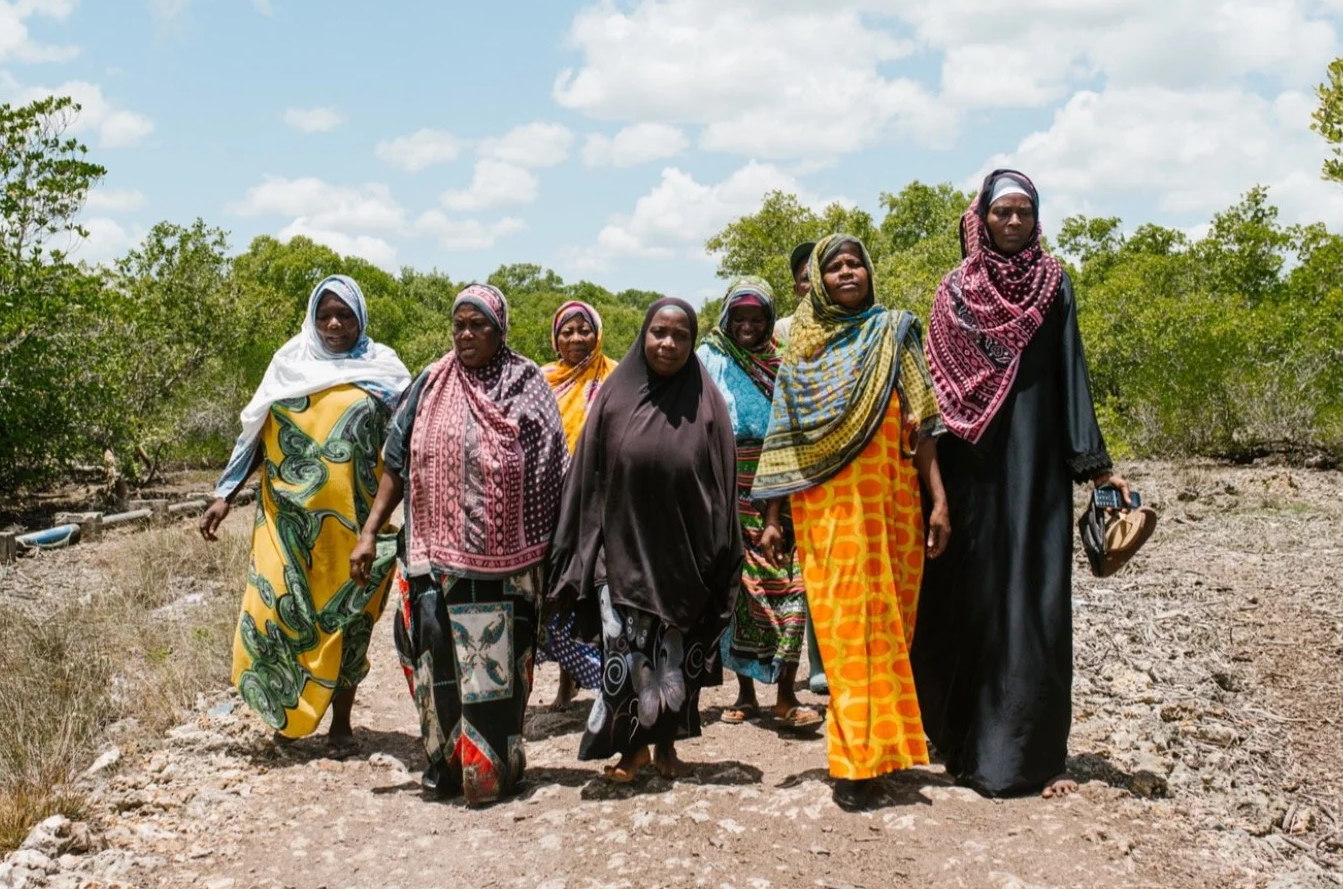
Climate Next is a global five-part docuseries for Amazon Prime Video that explores AWS customers and communities using data and technology to fight the effects of climate change. I led an international production team to Zanzibar, Iceland and England, coordinating multiple internal teams, executive and customer interviews, UX collaboration and social distribution.
Building on that momentum, I directed the next series AWS in Orbit for the Aerospace and Satellite division, filming in countries like Singapore, the Philippines and Germany to show how everyday people use space to educate their children, protect their land and connect with each other. The series won a MarCom Award and both Platinum and Gold Viddy Awards.
Yakan Weavers of Mindanao: In the southern Philippines, I documented master weavers fighting to preserve tennun, a pre-colonial craft threatened by rapid urbanization and waning interest among younger generations. This piece was built not just to document an endangered art, but to serve as a call to action, amplifying their voices and channeling global support directly back to their community. This piece was the winner of the Las Vegas Filipino Short Film Festival.

Built for the feed
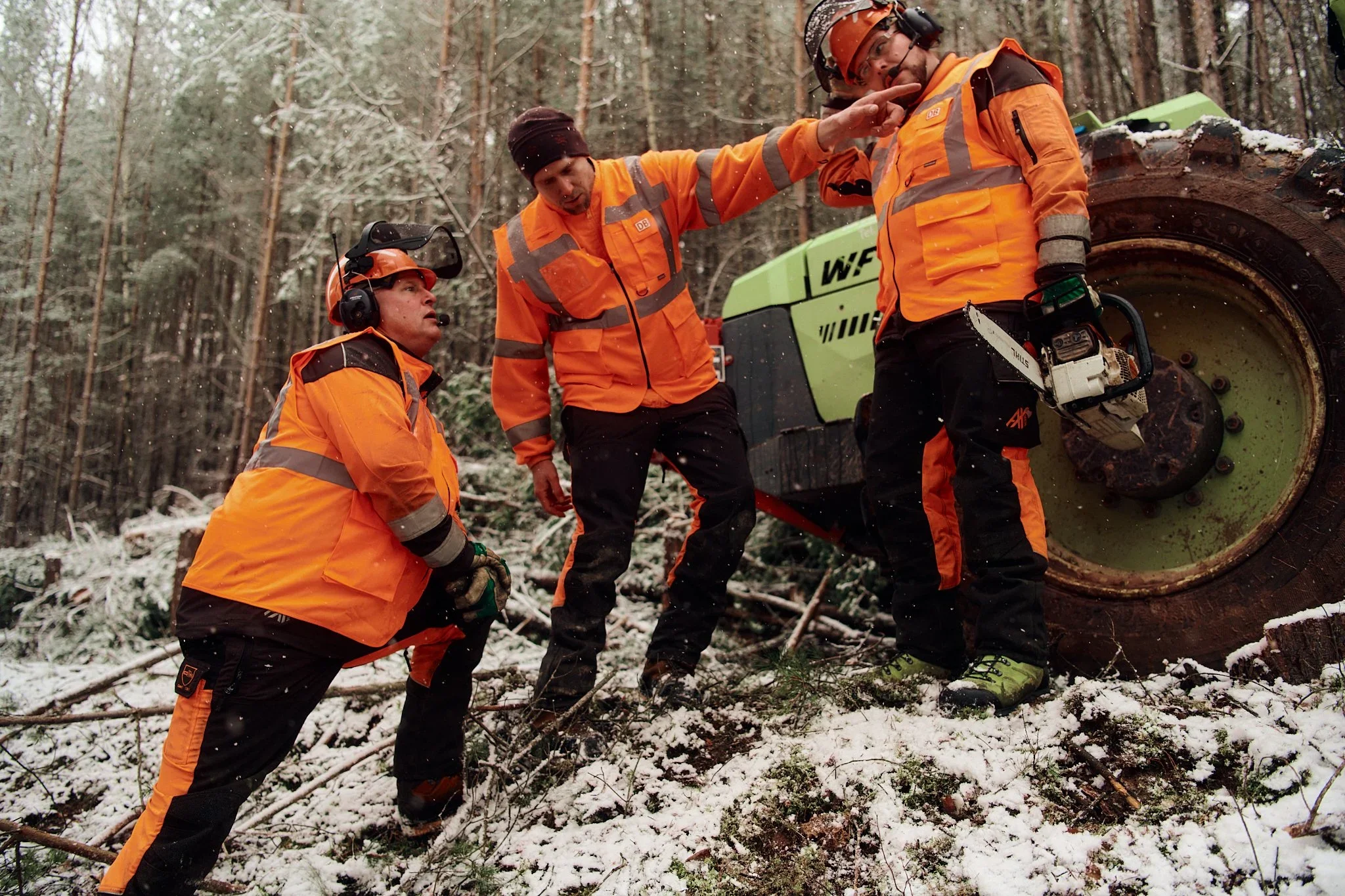
How do you get someone to actually stop scrolling? For me, it starts with building simple, repeatable systems: social safe‑zone overlays, clear hook patterns, and layouts that can flex from feed to stories without feeling cookie-cutter.
Motion Graphics / Animation-Driven Explainers

I launched Just the FAQs, USA TODAY’s flagship explainer franchise that turns trending news and complex topics into 90‑second visual narratives designed to bring immediate clarity to the day’s heaviest headlines.
North Korea's Nuclear Arsenal: Kim Jong Un has tested more than three times as many missiles as his father and grandfather combined. We explored how one of the most impoverished countries in the world commands so much military spending power.
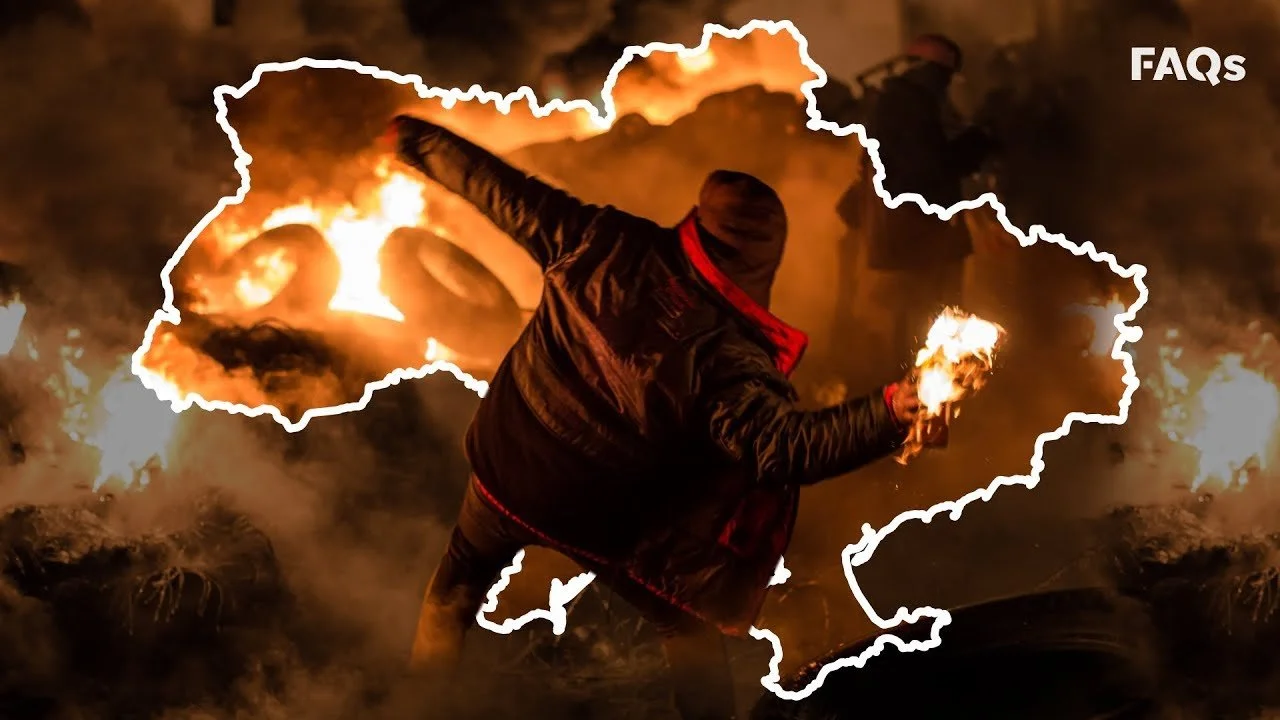
U.S.–Ukraine Geopolitics: Moving past a single controversial phone call, we mapped out the deep, historical dependency and security alliance between the U.S. and Ukraine.
To make it work, our team built a new visual identity from scratch, including a custom motion graphics package, data visualizations and dynamic on‑screen typography, and applied it across subjects from breaking news to everyday concepts. As lead producer, I scripted, produced, edited and co‑animated each piece with our design team.
Poisoned Twice: I interviewed Vladimir Kara‑Murza, the Russian opposition activist who survived two poisoning attempts, for a sit‑down piece about his fight against the Kremlin. I produced and edited the segment and conceptualized the visuals, working with our graphics team on line‑art animations against a stark black backdrop so his testimony stayed central while the graphics quietly traced the arc of his story.
Correspondent-Style Collaboration
During the 2016 refugee crisis in the Mediterranean, I directed USA TODAY reporter Jason Pohl, guiding GoPro/DSLR placement and interviews at sea, and later edited his material into a deck‑level rescue story that went on to win a USA TODAY Network Award.
Syrian Civil War, Explained:I took a similar approach with foreign affairs reporter Oren Dorell, pitching the international desk on its first talking‑head explainer, then producing, shooting and editing a video that combined his analysis with animated context; that launch became the foundation for Just the FAQs and helped make video a regular part of how this team told international stories.
Field-to-Post Workflow
For the anniversary of 9/11, I told the story of Gander, Newfoundland, the town that took in 38 diverted flights and thousands of stranded passengers, by virtually monitoring interviews, aligning our photojournalist to a clear vision and pre‑interviewing subjects so new material and archival clips would cut together cleanly.
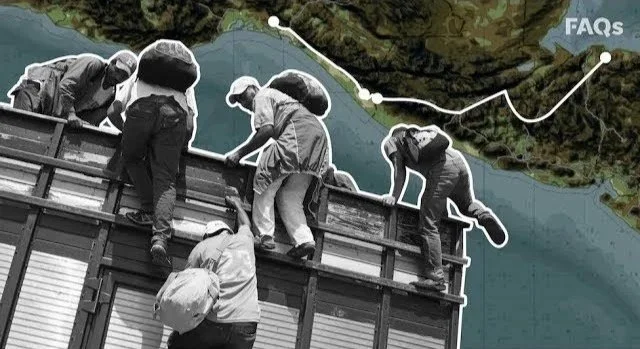
Using a similar found‑footage approach with licensed AP and Getty partners, I helped build an extended Just the FAQs explainer on Central American migrant caravans, turning news footage, photography and Zoom‑based interviews into a long‑form piece produced in close collaboration with beat reporters and subject‑matter experts.
Organizational / Systems Proof

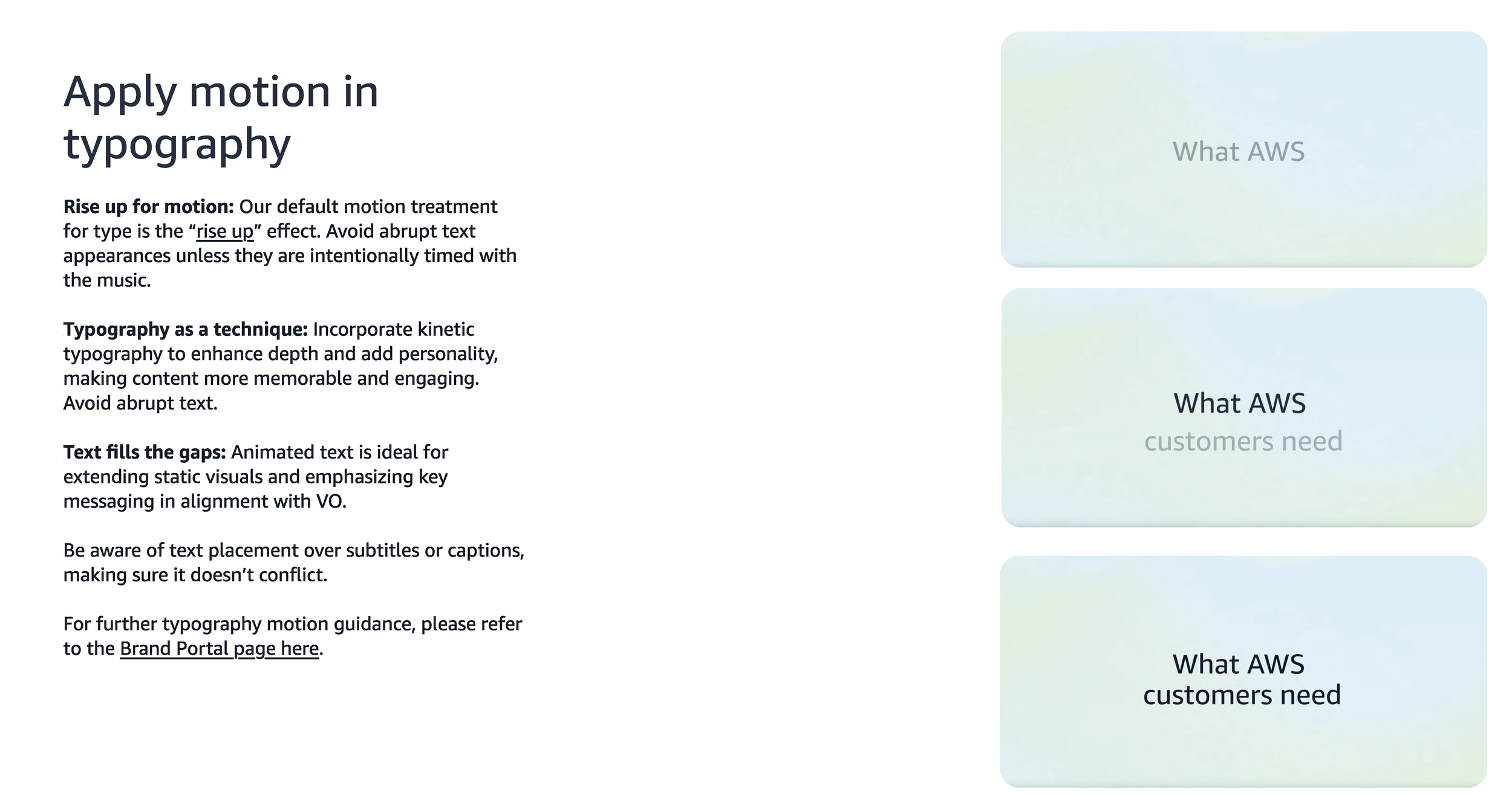
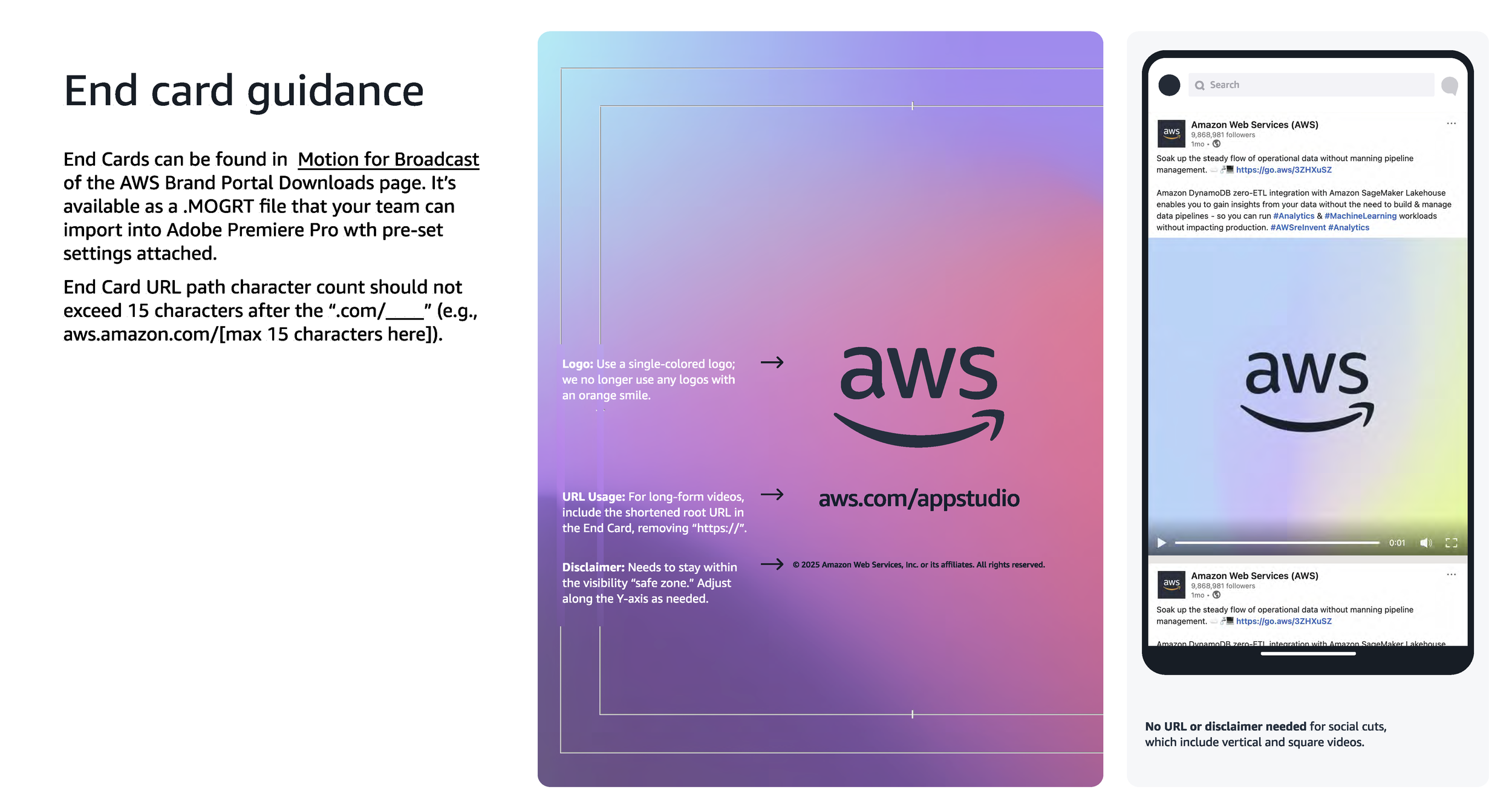
I wrote a 40-page playbook for AWS marketing and product marketing teams that codified our visual system for animated explainers, from audience framing and story structure to motion, typography, captions, and social safe zones. It became the reference for product launch video teams and was adopted across more than 96 campaigns, contributing to a 215% performance lift around AWS’s global re:Invent event.





Para Sa Kultura / For The culture (in Filipino)
As a second‑generation Filipino American often sitting as the only person of color in corporate spaces, I’ve tried to use that seat as a bridge to build platforms that center my own community.
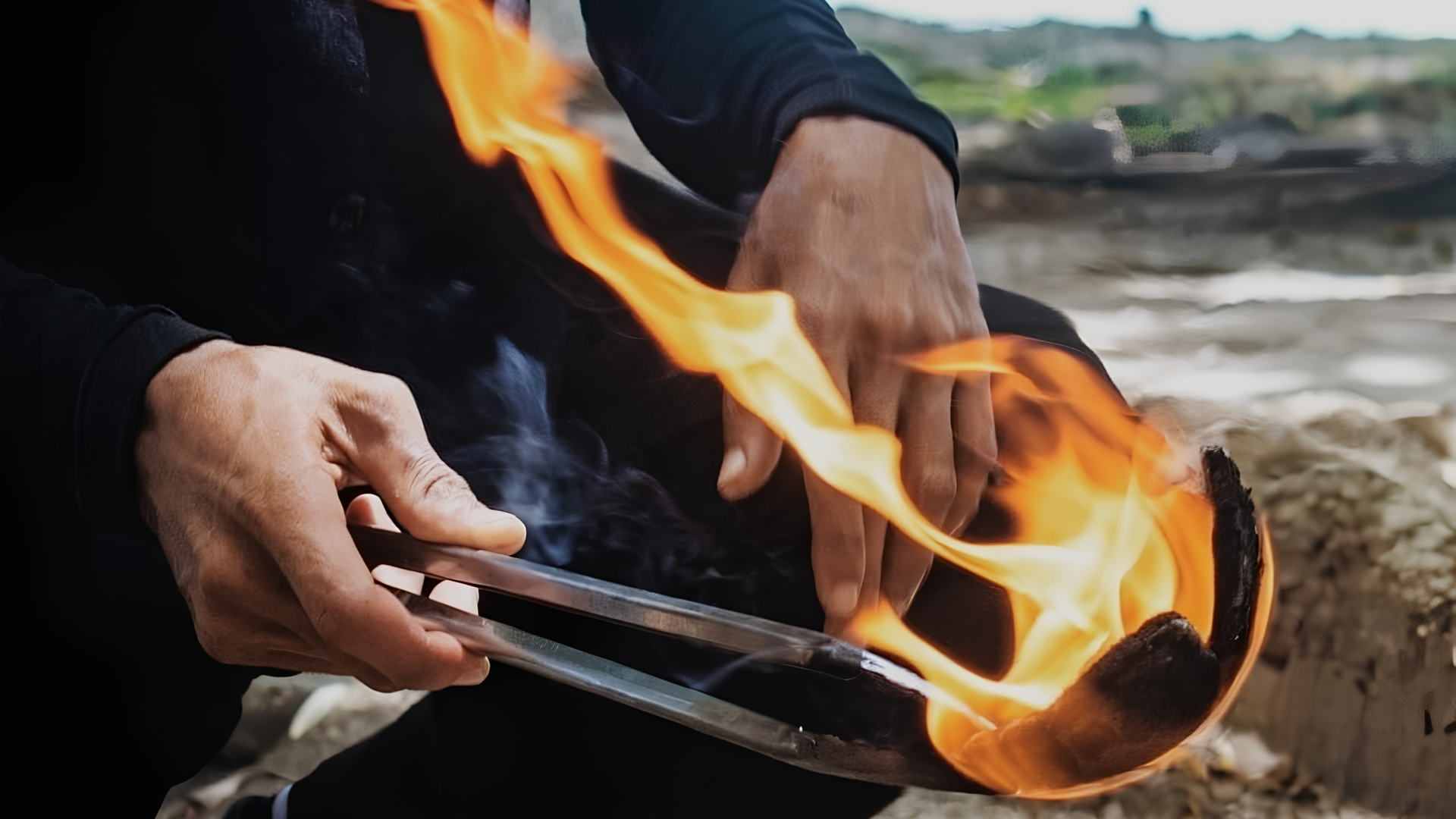
The Muslim Filipino Chapter: Istorya is an independent project I created to explore Filipino food history and diaspora through short films, visual essays and pop‑up dinners, connecting heritage dishes like tiyula itum, a pre‑colonial “black soup” of beef and burnt coconut, to stories of migration, labor and family memory. For this series, we built a six‑course dinner around six mini‑docs I filmed and directed in the Philippines, serving each dish as its story played.
Mama Sita’s: I served as lead director on a Philippines shoot for this heritage Filipino brand, hiring and directing local crews to document the origins of pancit palabok by tracing its history through the stories of the founders and pancit vendors in Malabon.
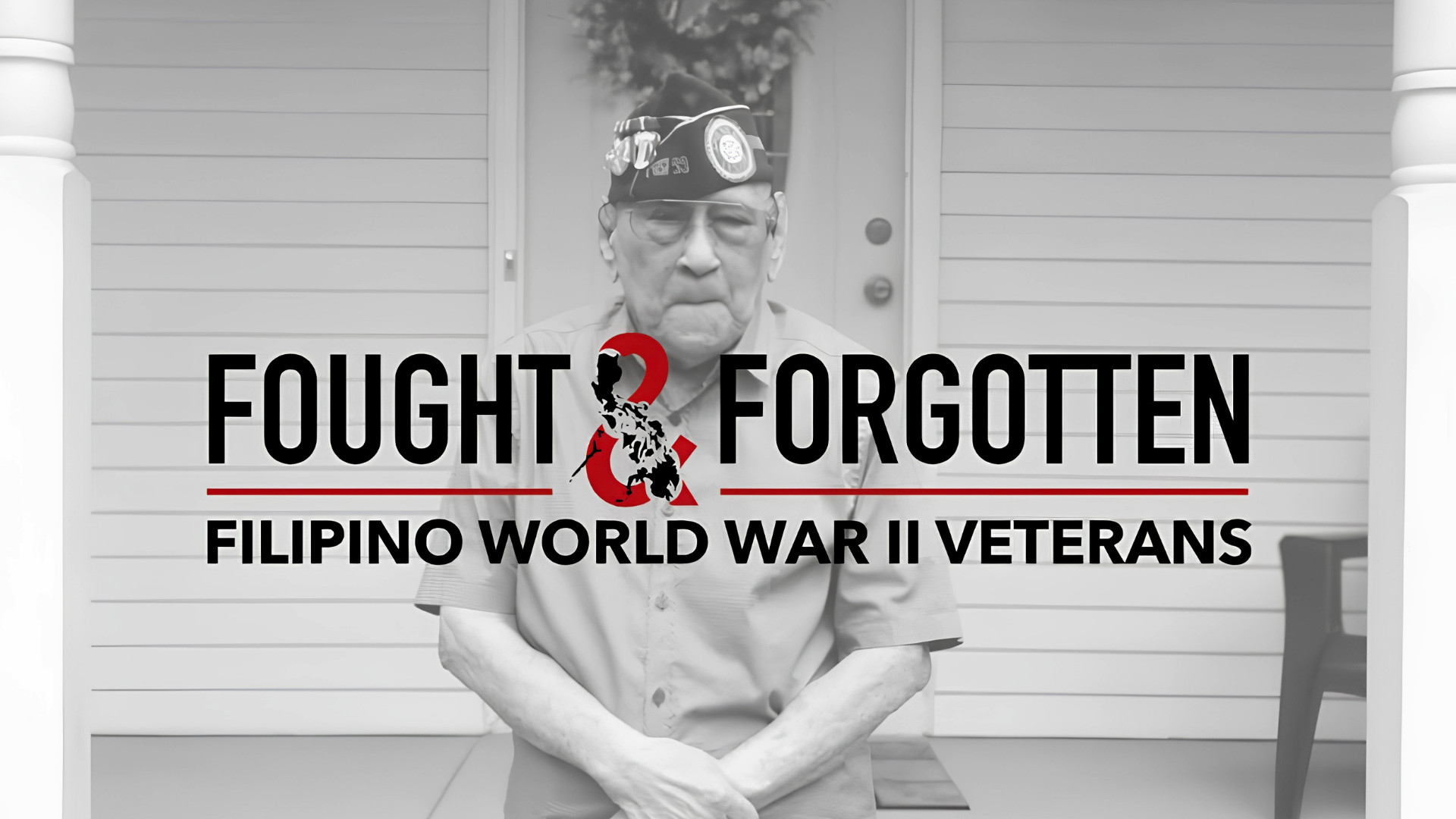
Fought and Forgotten (USA TODAY): I directed, edited and produced this documentary on Filipino World War II veterans who fought under the U.S. flag but were denied promised citizenship and benefits for more than 75 years, framing the film as both historical preservation and a pathway to overdue recognition. My grandfather served as a First Lieutenant in the U.S. Army, and reporting for the piece helped me secure his Congressional Gold Medal, which I was able to gift my grandmother shortly before she passed.